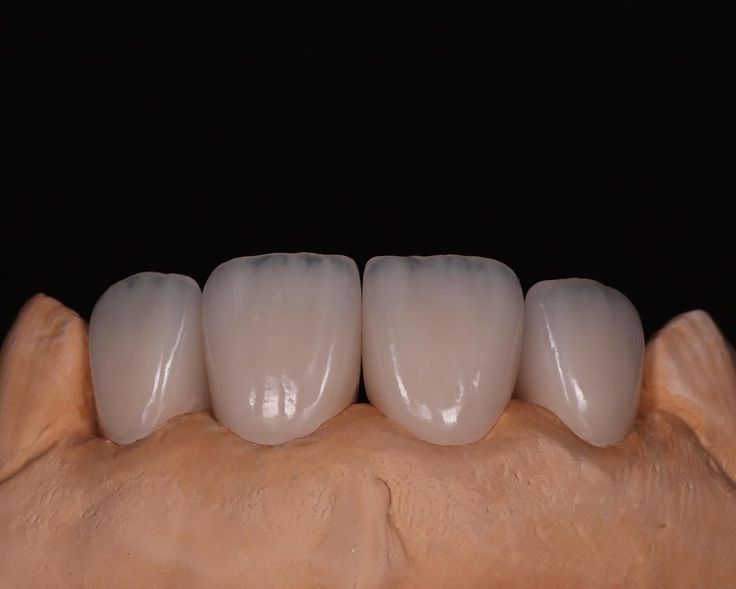
If there’s one service that defines what a dental lab does day in and day out, it’s crowns and bridges. They’re the foundation of restorative dentistry – the bread and butter for most dental clinics in India. And yet, the quality difference between a poorly made crown and a well-made one can be enormous: a crown that fits beautifully lasts years, protects the underlying tooth, and leaves the patient with nothing to complain about. A crown that doesn’t fit? That’s a remake, a frustrated patient, and time none of us can afford to waste.
This guide is for dentists who want to understand crowns and bridges more deeply – the materials, the types, the manufacturing process – and, most importantly, how to choose the right dental crowns and bridges manufacturer for their practice. Whether you’re in Bangalore or anywhere in India, this is the information that will help you make better decisions for your patients and your clinic.
Table of Contents
1. What Are Dental Crowns and Bridges - A Quick Refresher
A dental crown is a custom-made cap that fits over a prepared natural tooth or implant. It restores the tooth’s shape, size, strength, and appearance. A dental bridge uses two or more crowns as anchors (abutments) on either side of a gap, with a false tooth (pontic) suspended in between to replace a missing tooth.
Together, crowns and bridges are the most commonly prescribed fixed dental restorations in India. They’re reliable, long-lasting when made well, and cover a wide range of clinical situations – from a single damaged tooth to multiple missing teeth across the arch.
2. Types of Dental Crowns Every Dentist Should Know
Not all dental crowns are the same. The type you prescribe depends on the tooth position, the patient’s bite, aesthetic expectations, and budget. Here’s a quick breakdown:
Full Zirconia Crowns
The most popular choice today for both anterior and posterior teeth. Full-contour monolithic zirconia is milled from a single block, making it incredibly strong (up to 1,400 MPa) and resistant to chipping. Newer translucent zirconia options give excellent aesthetics even in the smile zone. A skilled dental crowns and bridges manufacturer can now produce zirconia crowns that look genuinely natural, not just functional.
PFM Crowns (Porcelain-Fused-to-Metal)
A proven workhorse for decades. PFM crowns and bridges use a metal substructure for strength with a porcelain layer for aesthetics. Still a practical option for long-span bridges and cases with tight budgets. The limitation is occasional porcelain chipping over time and the grey metal margin that can show at the gumline as gums recede.
All-Ceramic / E-max Crowns
Made from lithium disilicate ceramic, E-max crowns offer superior translucency and natural light-reflection properties that make them the first choice for anterior aesthetic cases – veneers, front tooth crowns, and smile zone restorations. They require a skilled crowns and bridges manufacturer to handle, as ceramic is more technique-sensitive than zirconia.
Metal Crowns (Gold / Base Metal Alloy)
Less common in aesthetic areas but still the most durable option for molars with heavy bite forces. Metal crowns require minimal tooth reduction, cause the least wear on opposing teeth, and rarely chip or fracture. For elderly patients with strong posterior bite forces and limited aesthetic concerns, metal remains a valid clinical choice.
3. Types of Dental Bridges and When to Use Them
When it comes to dental bridges, the design you choose matters as much as the material. Here are the main types:
- Traditional Bridge: The most common type – two crowns on adjacent abutment teeth with a pontic in between. Used when healthy natural teeth flank the gap on both sides. Your dental crowns and bridges manufacturer fabricates the whole unit as a single connected piece.
- Cantilever Bridge: Supported by one abutment tooth on only one side of the gap. Used when only one adjacent tooth is available. Requires careful planning to avoid off-axis loading on the abutment crown.
- Maryland Bridge (Resin-Bonded): A conservative option – a pontic with metal or ceramic wings that bond to the back of adjacent teeth without full crown preparation. Good for anterior replacement in younger patients.
- Implant-Supported Bridge: Instead of natural teeth as abutments, implants support the bridge. The most long-term reliable option for replacing multiple missing teeth – and one that requires a dental crowns and bridges manufacturer with specific implant prosthetics expertise.
4. Materials Compared - Zirconia, PFM, E-max, Metal
Choosing the right material is one of the most important prescription decisions you make when ordering crowns and bridges from your manufacturer. Here’s a clear comparison:
Factor | Zirconia | PFM | E-max | Metal |
Strength | Excellent (900–1400 MPa) | Good (metal core) | Good (~400 MPa) | Best (>1500 MPa) |
Aesthetics | Very good (esp. layered) | Good (porcelain veneer) | Excellent | Poor (metallic) |
Chipping risk | Very low | Moderate (porcelain) | Low | None |
Best tooth position | Anterior & posterior | Posterior, long bridges | Anterior smile zone | Molars only |
Biocompatibility | Excellent (metal-free) | Moderate (allergy risk) | Excellent | Good (varies by alloy) |
Turnaround at lab | 3–5 days (CAD/CAM) | 5–8 days | 5–7 days | 5–7 days |
5. What Makes a Crown or Bridge Fit Perfectly?
Fit is everything with crowns and bridges. A restoration that doesn’t fit well doesn’t just feel uncomfortable – it creates gaps for bacteria, causes marginal leakage, leads to sensitivity, and accelerates failure. Here’s what determines fit quality:
- Impression or scan accuracy: Everything starts with what the dentist sends. A distorted impression gives a distorted crown. A good dental crowns and bridges manufacturer should flag impression quality issues rather than work around them.
- Die preparation at the lab: The accuracy of the stone model or digital design sets the tolerance for the final restoration. A skilled dental lab spends time getting this right before any fabrication begins.
- Milling precision: CAD/CAM milling machines at a modern crowns and bridges manufacturer work to tolerances of 20 – 50 microns – far more consistent than hand-fabricated restorations.
- Quality control before dispatch: A reputable dental crowns and bridges manufacturer checks marginal fit on the die, verifies proximal contacts, and inspects the occlusal surface before any crown or bridge leaves the lab.
6. How Crowns and Bridges Are Manufactured at a Dental Lab
Understanding how your dental crowns and bridges manufacturer actually makes the restorations helps you write better prescriptions and set accurate patient expectations. Here’s the modern workflow:
- Case receipt: The dental lab receives your physical impression or digital scan along with your prescription — shade, material, contacts, and any special instructions.
- Model fabrication or digital import: A stone die is poured from the impression, or the scan file is imported into CAD software. This is the foundation everything else is built on.
- Design: For CAD/CAM cases, the technician designs the crown or bridge digitally – checking contacts, margins, and occlusal morphology on-screen before a single block is touched.
- Milling or fabrication: Zirconia and ceramic cases are milled from blocks. PFM and metal cases involve casting. E-max cases may be pressed. Each route requires specific equipment and expertise from the crowns and bridges manufacturer.
- Sintering and finishing: Zirconia is sintered in a furnace to reach full strength. Ceramic is fired. All restorations are then polished, characterised, and glazed to match your shade prescription.
- Quality check and dispatch: Final marginal fit, shade, and surface finish are verified. The completed crowns and bridges are carefully packaged and dispatched to your clinic.
7. Eight Things to Look for in a Crowns and Bridges Manufacturer
Choosing the right dental crowns and bridges manufacturer is one of the most important practice decisions you’ll make. Here’s your checklist:
- Full material range: Your crowns and bridges manufacturer should offer zirconia, PFM, E-max, and metal – so you’re not forced to adapt your prescription to the lab’s limitations.
- CAD/CAM capability: A modern dental crowns and bridges manufacturer uses CAD/CAM milling for consistency and precision. If they’re still doing everything by hand, quality will vary.
- Transparent material sourcing: Ask which brands of zirconia blocks, ceramics, and metal alloys your manufacturer uses. A trustworthy crowns and bridges manufacturer will tell you without hesitation.
- Reliable turnaround time: Standard crowns and bridges should be delivered within 3 to 7 working days consistently – not just occasionally. Turnaround reliability affects your scheduling and patient satisfaction directly.
- Quality control process: Ask whether the dental crowns and bridges manufacturer has a formal QC step before dispatch. Shade verification, marginal fit checks, and occlusal inspection should be standard – not optional.
- Communication responsiveness: A good crowns and bridges manufacturer picks up the phone, responds to queries, and proactively flags concerns on your cases. One that’s hard to reach will cost you time on complicated cases.
- Experience with your case types: If you do a lot of implant-supported bridges or full-arch cases, make sure your manufacturer has specific experience there – not just single-unit crowns.
- Local presence in Bangalore (if applicable): Working with a dental crowns and bridges manufacturer in Bangalore means faster delivery, easier communication, and the ability to visit the lab when needed. Local relationships build better outcomes.
8. Why the Right Manufacturer in Bangalore Makes All the Difference
Bangalore’s dental ecosystem has grown significantly over the past decade – with more dental clinics, more specialists, and more patient demand for high-quality restorations than ever before. That growth has put pressure on dental crowns and bridges manufacturers in Bangalore to keep up.
The best crowns and bridges manufacturer in Bangalore isn’t just fast – it’s precise, transparent, and invested in your success as a clinician. When things go wrong (and occasionally they do), a local manufacturer can respond quickly, discuss the case, and help you find a solution without a week-long delay.
At CornerStone Dental Laboratory, we manufacture crowns and bridges using CAD/CAM milling, full-contour and layered zirconia, PFM, E-max, and DMLS for implant-supported bridges – all under one roof in Bangalore. Dentists across Karnataka and India trust us for consistent quality, honest communication, and turnarounds that don’t disrupt their schedules.
Frequently Asked Questions
What's the main difference between a dental crown and a dental bridge?
A crown is a single custom-made cap that covers a prepared tooth or implant to restore its shape and strength. A bridge uses two or more crowns as anchors (abutments) with a false tooth (pontic) suspended between them to replace a missing tooth.
Which crown material is best - zirconia, PFM, E-max, or metal?
It depends on the case. Zirconia offers the best balance of strength and aesthetics for both anterior and posterior teeth; E-max is preferred for anterior smile-zone cases needing superior translucency; PFM remains practical for long-span bridges on tighter budgets; and metal is still the most durable choice for molars with heavy bite forces.
What type of bridge is best for a young patient missing a single tooth?
Bridge is often the most conservative option, since it avoids full crown preparation on adjacent teeth and preserves them for future implant options.
How long does it take a dental lab to manufacture a crown or bridge?
Standard turnaround should be 3–7 working days, varying slightly by material – zirconia (CAD/CAM) typically takes 3-5 days, while PFM, E-max, and metal cases usually take 5–8 days.
What causes a crown or bridge to not fit properly?
Poor fit usually traces back to impression or scan accuracy, die preparation errors, or inconsistent milling precision. A reputable manufacturer should flag impression quality issues and run marginal fit, shade, and occlusal checks before dispatch.
Is implant-supported bridge fabrication different from a regular bridge?
Yes. Implant-supported bridges use implants rather than natural teeth as abutments, and require a manufacturer with specific implant prosthetics expertise – this is generally considered the most reliable long-term option for replacing multiple missing teeth.
What should a dentist look for when choosing a crowns and bridges manufacturer?
Key factors include a full material range (zirconia, PFM, E-max, metal), CAD/CAM capability, transparent material sourcing, reliable turnaround times, a formal quality-control process, responsive communication, and relevant case experience – plus local presence if you’re based in Bangalore.
Why does a manufacturer's location in Bangalore matter for dentists?
A local manufacturer allows for faster delivery, easier communication, and the ability to visit the lab directly – which becomes especially valuable when troubleshooting a case, since issues can be resolved quickly rather than facing a week-long delay.
To Wrap Up
Crowns and bridges are at the heart of what most dental clinics deliver every single week. Getting them right – the right material, the right fit, the right aesthetics – is what separates a practice patients trust from one they leave after a bad experience.
The dental crowns and bridges manufacturer you work with is your partner in getting every one of those cases right. Not just the easy ones – the tricky shades, the tight margins, the long-span bridges, the implant-supported units. All of them.
If you’re looking for a dental crowns and bridges manufacturer in Bangalore who delivers consistent quality, communicates clearly, and genuinely understands your clinical needs, get in touch with CornerStone Dental Laboratory. We’re here to make every crown and bridge case your best work.